LOCAL CLEANING. EVERYDAY COMFORT. Serving Vaughn, the Key Peninsula & the South Sound

THE HOME CARE LIBRARY

Cleaning & care resources.

Practical care guides for the carpets, furniture and fabrics you live with. Find your first step, avoid common mistakes and know when to ask for help.

FIND THE CARE YOU NEED

Good habits. Fewer cleaning surprises.

Start with your item’s care label and manufacturer’s instructions. These guides cover routine care; treatment needs depend on the material and the problem.

How to care for carpet between cleanings

A simple routine helps keep the paths through your home from becoming the first places to look tired.

Everyday care

Vacuum regularly, giving entryways and busy paths extra attention. Use entrance mats and leave outdoor shoes at the door. Check your carpet warranty for its maintenance requirements.

When something spills

Lift loose solids gently, then blot liquid with a plain white absorbent cloth. Work toward the center without scrubbing. Use only a suitable carpet spotter, pretest it in a hidden area and follow the label.

When to book

The Carpet and Rug Institute suggests professional deep cleaning every 12–18 months, with frequency adjusted for use and manufacturer requirements. Ask for an assessment sooner if traffic lanes, recurring spots or pet accidents need attention.

Keep in mind: Avoid aggressive brushing and adding more product than the label directs.

Area rug care: start with the fiber

Wool, synthetic, antique and handwoven rugs can need very different treatment. Find the care label before choosing a cleaner.

Everyday care

For delicate rugs, use low suction and a plain vacuum head rather than a powered brush. Move gently with the pile and keep loose threads and fringe out of the vacuum.

When something spills

Lift solids carefully and blot with a white towel. Do not scrub or soak the rug. A general carpet stain spray may be unsuitable for its dyes, fibers or backing. Check compatibility and test discreetly before any treatment.

When to book

Stop home treatment if color transfers, the stain spreads or the material is unknown. Tell us the rug’s fiber, construction, size and previous treatments so we can assess suitable care.

Keep in mind: Do not assume a rug can be treated like the fitted carpet underneath it.

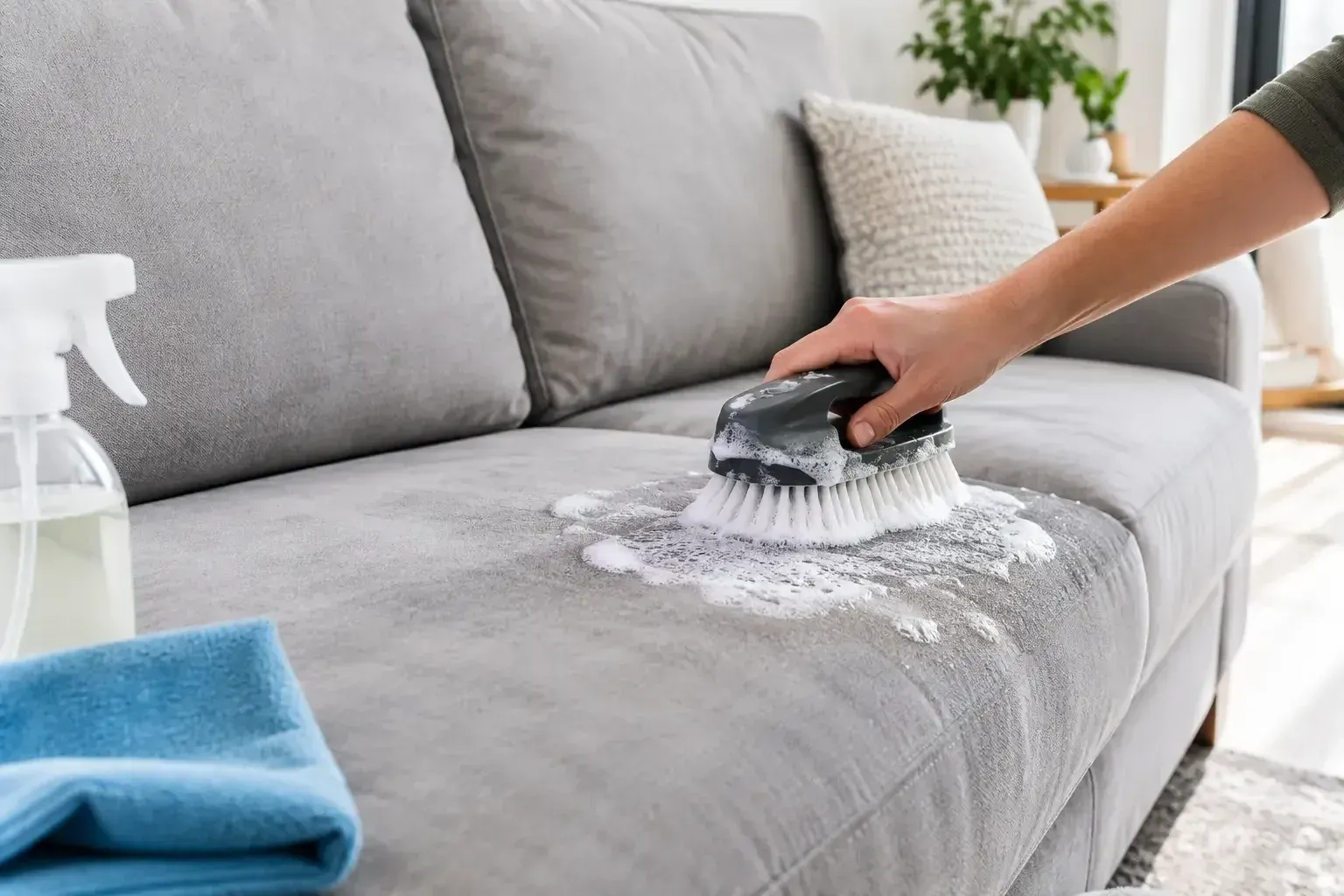
Sofa and upholstery care: read the cleaning code

A sofa’s cleaning code matters more than its appearance. Similar-looking fabrics may react very differently to water.

Check the label

W generally permits water-based upholstery products; S calls for solvent-based care; WS or SW permits either approved method; X means vacuuming or light brushing only. Follow the furniture maker’s full directions.

Between appointments

Use the vacuum attachment allowed by the manufacturer to remove crumbs and loose soil. Blot fresh liquid without rubbing. A zipper does not automatically mean a cushion cover is machine washable.

When to book

Ask for a fabric assessment for unknown labels, water marks, delicate fibers or persistent soil. Share a photo of the care tag when requesting your quote. Leather needs its own product-specific care.

Keep in mind: Do not use water on an S-code fabric or liquid cleaners on an X-code fabric.

Mattress care without over-wetting

Check the exact mattress instructions before removing a cover or adding moisture. Construction and cover care vary by model.

Protect the surface

Use a protector compatible with your mattress and wash bedding and washable protectors according to their labels. Check that a zippered mattress cover is actually intended to be removed.

Deal with spills

Blot moisture promptly using clean towels. Do not soak the mattress or assume steam cleaning is suitable. Tempur-Pedic specifically warns against washing its TEMPUR material; washable covers have separate instructions.

Before using it again

Allow the affected area to dry completely before replacing bedding. Follow the manufacturer’s drying directions. Tell us the brand, model and concern before booking so we can assess whether a cleaning method is suitable.

Keep in mind: Cleaning is not a guarantee of disinfection, and deep contamination may need a different solution.

Pet stains and odors: what to do first

Acting promptly gives a fresh accident a better starting point. A fragrance can hide a smell without addressing what caused it.

Fresh accidents

Blot up as much liquid as possible with plain absorbent towels. Keep children and pets away while you clean and follow the product’s directions before allowing them back.

Choose treatment carefully

Check the surface’s care instructions before using a pet odor product. Pretest in a hidden area and follow its label. Avoid steam-cleaning urine spots at home; the Humane Society cautions that heat can set odor and staining.

When odor returns

Tell us where accidents happened and which products were used. Urine can reach the backing or pad, so a clean-looking surface may not tell the whole story. Some cases require assessment beyond surface cleaning.

Keep in mind: Do not keep layering different cleaners over a spot that is not improving.

How to keep vehicle interiors fresher

A little attention to mats, seams and seat creases helps keep everyday grit from building up between professional cleanings.

Start with dry soil

Remove rubbish and loose belongings, then vacuum carpets, seats and crevices with appropriate attachments. Remove mats for cleaning and follow the vehicle maker’s instructions before refitting them.

Match the material

Use a product intended for your specific cloth, leather or trim. Ford recommends dedicated cloth cleaner for fabric seats and gentle pressure when cleaning leather to avoid removing dye. Your own model’s manual takes priority.

When to book

Consider an assessment for embedded soil, old drink spills or lingering odors. Describe the seating material and affected areas when asking for a quote. Arrange a time when the vehicle can remain unused while cleaned surfaces dry.

Keep in mind: Do not assume one household cleaner is suitable for every interior surface.

Curtain and drapery care without guesswork

The face fabric is only part of a curtain. Linings, trims and construction can change which cleaning methods are appropriate.

Control surface dust

Check the care instructions, then use the gentle dust-removal method they allow. The Shade Store recommends a low-suction handheld vacuum for routine drapery care. Avoid pulling delicate fabric into the nozzle.

Before washing

Do not assume all curtains are washable. Confirm directions for the complete treatment, including linings and decorative details. Leave uncertain stains alone rather than experimenting with a spray on visible fabric.

When to book

Ask for a material assessment when curtains have noticeable soil, staining or no readable care instructions. Share approximate dimensions, fabric information and access details. We can discuss suitability and the next step before cleaning is arranged.

Keep in mind: Do not use a generic washing or steaming method on an unknown drapery fabric.

BACK TO LIVING

Help cleaned surfaces dry fully.

Fast drying starts with a suitable cleaning method and continues with the conditions in your home. Fiber, construction, how much moisture was used, temperature, humidity and airflow all affect the result. Ask for aftercare instructions for the item being cleaned instead of relying on a fixed drying-time promise.

Make a drying plan before cleaning day

Arrange time for cleaned surfaces to remain unused. Follow the technician’s guidance on airflow, furniture and when the surface is ready for normal use. Avoid covering a damp mattress or putting a damp rug back into regular use.

A practical South Sound routine

During wet weather, keep an absorbent mat and a towel near the entrance for shoes and paws. Check that mats themselves dry between uses. Ventilation helps with moisture, but opening windows is less useful when outdoor air is humid. EPA guidance recommends keeping indoor humidity below 60%, ideally 30–50%.

Read EPA guidance on moisture and ventilation ↗

Ask about drying & aftercare ↗

A CLEARER NEXT STEP

Common care questions.

Can I use the same stain remover on everything?

No. A product suitable for a synthetic carpet may be wrong for a wool rug, an S-code sofa or a lined curtain. Identify the material and follow its care instructions before treating it.

Does fast drying mean the same drying time for every item?

No. A thin rug, a deep sofa cushion and fitted carpet have different constructions. Ask for an estimate for your specific item and follow the aftercare instructions before using it.

What information helps with a cleaning quote?

Send the type and size of the item, a photo of its care tag, pictures of problem areas, your ZIP code and any previous treatments. Mention pets and your preferred timing so we can discuss suitability and availability.

Should I keep trying if a stain is getting worse?

Stop if you see color transfer, spreading or fabric distortion. Keep a record of the products already used and contact us for an assessment before adding another treatment.

Care notes reviewed October 28, 2026. Manufacturer guidance is specific to the named products; it does not imply those brands endorse our business. Always follow the instructions for your own item.

LET'S FRESHEN THINGS UP

A cleaner space starts here.

Tell us what needs attention. We'll help with the next step.